How to Help an Adolescent With Anger Management Issues
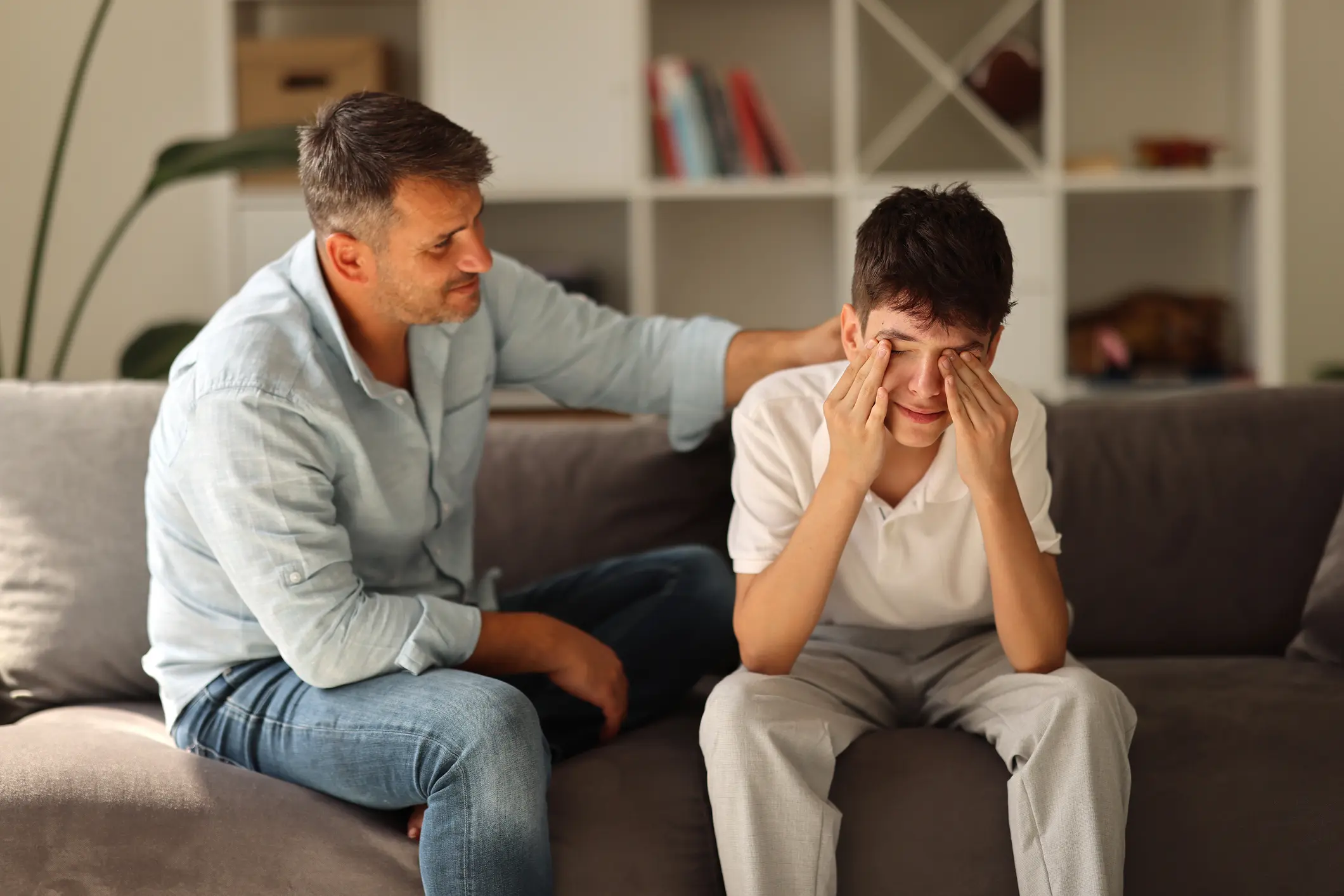
Watching your child struggle with anger can be one of the hardest parts of parenting a teenager. You want to help, but you’re not always sure what to say or whether what you’re doing is making things better or worse. That uncertainty is real, and it’s something many families face.
Anger in adolescents isn’t always what it looks like on the surface. Sometimes it’s sadness that has nowhere else to go. Sometimes it’s anxiety, stress or a mental health concern that hasn’t been identified yet. Understanding that distinction can shift how you respond and open the door to more meaningful connection.
Why Do Adolescents Struggle With Anger Management?
Before jumping to solutions, it helps to understand what’s behind the behavior. Adolescence is a period of significant neurological change. According to the National Institute of Mental Health, the prefrontal cortex, the part of the brain responsible for impulse control and decision-making, isn’t fully developed until the mid-20s. That means teens are literally working with a brain that isn’t yet wired for consistent emotion regulation.
Beyond biology, anger in teens can be linked to:
- Underlying mental health concerns: Conditions like depression, anxiety and attention-deficit/hyperactivity disorder (ADHD) often show up as irritability and anger, especially in adolescents.
- Trauma or stress: Difficult experiences at school, in relationships or at home can fuel emotional dysregulation.
- Unmet emotional needs: Teens who feel unheard, dismissed or misunderstood may express those feelings through anger.
- Social pressures: Academic expectations, peer relationships and identity questions all create real emotional weight.
Recognizing that your teen’s anger often has a root cause, and that it’s not simply defiance, can help you respond with more patience and less reactivity.
How Can You Support an Angry Teen at Home?
You don’t have to be a therapist to make a difference. Small, consistent changes in how you communicate and respond to your teen’s anger can shift the dynamic over time.
Stay calm during escalation
When your teen is in the middle of an angry episode, matching their energy tends to make things worse. Staying calm, even when it’s hard, sends a signal that the situation is manageable. You might say something simple like, “I can see you’re really upset. I’m here when you’re ready to talk.”
Set clear, consistent limits
Teens need structure, even when they push against it. Consistent limits around what behavior is acceptable, communicated without threats or punishment-first language, give adolescents a framework they can rely on. When they know what to expect, the unpredictability that often fuels anxiety and anger decreases.
Listen before you problem-solve
One of the most common patterns families fall into is jumping straight to advice or correction before the teen feels heard. Try reflecting back what you’re hearing: “It sounds like you felt disrespected when that happened.”
Model the regulation you want to see
Teens pay close attention to how the adults around them handle frustration. If you can demonstrate pausing before reacting, naming your emotions or taking space to cool down, you’re teaching emotion regulation without a single lesson plan.
Create opportunities for connection
Anger often builds in the absence of connection. Regular, low-pressure time together, whether that’s a short walk, a shared meal or watching something together, can reduce emotional tension over time and make it easier for your teen to come to you when something is wrong.
What Are the Warning Signs That a Teen Needs Professional Support?
Some level of irritability and emotional outbursts is a normal part of adolescent development. But certain patterns suggest that professional support may be needed.
Consider reaching out to a behavioral health provider if your teen:
- Has frequent or intense anger outbursts that seem disproportionate to the situation
- Becomes physically aggressive toward people or property
- Has expressed thoughts of self-harm or harming others
- Shows signs of depression, anxiety or other mental health concerns alongside the anger
- Is experiencing significant issues at school, with friendships or at home as a result of their anger
- Hasn’t responded to support strategies at home over a sustained period
If your teen is in immediate danger or experiencing a crisis, CALL 911 or go to the nearest emergency room.
In case of a mental health crisis, CALL 988 or seek the nearest emergency room.
What Does Professional Anger Management Treatment for Teens Look Like?
Seeking professional help for an adolescent’s anger management isn’t a sign of failure. It’s a recognition that some situations need more support than a family can provide alone.
Treatment for adolescent anger management concerns often includes:
- Cognitive Behavioral Therapy (CBT): CBT helps teens identify the thought patterns that lead to angry reactions and develop healthier responses.
- Dialectical Behavior Therapy (DBT): DBT focuses on building emotion regulation skills, distress tolerance and interpersonal communication. It’s particularly helpful for teens whose anger is tied to emotional intensity.
- Family therapy: Anger rarely exists in isolation. Family therapy helps the whole household develop communication skills and understand how family dynamics may be contributing to or easing the concern.
- Inpatient programs: For teens experiencing acute behavioral health crises, inpatient treatment provides 24-hour monitoring and structured care in a therapeutic environment.
- Intensive outpatient programs (IOP): For teens who need more than weekly therapy but don’t require hospitalization, intensive outpatient programs offer structured support several days per week while allowing teens to remain at home.
Fremont Hospital offers both inpatient and outpatient programs for adolescents ages 12 to 17, with a team of specialized mental health professionals providing individualized care.
What Should Families Expect During the Treatment Process?
Getting help for your teen doesn’t mean handing them over to someone else. Family involvement is a meaningful part of adolescent behavioral health treatment, and staying engaged throughout the process can support better outcomes.
During an assessment, a clinician will meet with you and your teen to understand what’s happening and identify which level of care may be the right fit. From there, treatment is tailored to your teen’s specific needs.
Progress may be gradual. There may be setbacks along the way. That’s a normal part of the process, and it doesn’t mean the treatment isn’t working. What matters most is that your teen is building skills and your family is building understanding together.
Taking the Next Step
When your teen is struggling with anger, the path forward isn’t always clear. But you don’t have to figure it out alone.
Start with what you can do today: stay connected, listen without rushing to fix and pay attention to whether the patterns you’re seeing are intensifying. If they are, reaching out for a professional assessment is a reasonable and compassionate next step.
Fremont Hospital’s specialized team is available around the clock to answer questions, provide assessments and help you understand your teen’s options. Call 888-796-1101 or contact us online to learn more.
Frequently Asked Questions
Is it normal for teenagers to have anger management issues?
Some degree of irritability and emotional reactivity is common during adolescence due to ongoing brain development. However, when anger is frequent, intense or affecting your teen’s relationships and daily life, it may signal an underlying mental health concern that warrants professional evaluation.
What causes anger management issues in adolescents?
Adolescent anger can stem from many sources, including neurological development, stress, trauma, depression, anxiety or ADHD. It’s rarely just “bad behavior.” Identifying the underlying cause is a key part of finding the right support.
How can parents help a teen with anger without making it worse?
Staying calm during outbursts, setting consistent limits, listening before problem-solving and modeling healthy emotion regulation are all strategies that can help. Avoid escalating with raised voices or threats, as this tends to intensify the response.
When should I seek professional help for my teen’s anger?
Consider reaching out to a behavioral health provider if your teen’s anger is frequent or intense, involves aggression, is accompanied by signs of depression or anxiety, or is significantly affecting school, friendships or family life.
What types of therapy are used to treat anger management in teens?
Cognitive Behavioral Therapy (CBT) and Dialectical Behavior Therapy (DBT) are two approaches commonly used with adolescents. Family therapy is also often part of treatment to address communication patterns and family dynamics.
What’s the difference between inpatient and outpatient treatment for teens?
Inpatient treatment provides 24-hour care in a residential setting and is suited for teens in acute crisis. Outpatient and intensive outpatient programs offer structured support several days per week while allowing teens to live at home. A clinical assessment can help determine which level of care is the right fit.