Benefits of an In Person Partial Hospitalization Program (PHP)
Navigating the world of behavioral health treatment can feel overwhelming, especially when you or a loved one needs more than just a weekly therapy session but doesn’t require 24-hour residential care. Finding that perfect middle ground is essential for sustainable healing. If you are currently exploring your treatment options, understanding the benefits of an in person partial hospitalization program (PHP) can help you make an informed, confident decision.
These comprehensive mental health programs offer intensive, supervised care during the day, allowing participants to return to the comfort of their own homes each evening. Below, we will explore exactly why this model of care is so highly regarded by clinical professionals and patients alike.
What Is a PHP?
To appreciate the value of a PHP, it helps to understand where it fits within the continuum of behavioral healthcare. A PHP excels at bridging the gap between inpatient and outpatient care. When 24/7 hospital supervision is no longer necessary — or when standard weekly therapy is not enough to stabilize severe symptoms — a PHP provides a supervised landing pad.
Patients and their families frequently ask about PHP vs. intensive outpatient program differences. The distinction primarily comes down to time and intensity. An intensive outpatient program (IOP) typically involves 9 to 15 hours of treatment per week. In contrast, a PHP is a much more immersive experience, generally requiring 20 to 25 hours per week (often five days a week, five hours a day).
Advantages of Attending an In-Person PHP
While virtual healthcare has expanded dramatically in recent years, comparing onsite therapy vs. teletherapy for psychiatric recovery often highlights the unique and powerful advantages of a physical healing environment. Getting out of the house and entering a dedicated therapeutic space can do wonders for a person’s mental state.
Here are some of the most impactful benefits of partial hospitalization program attendance in an in-person setting:
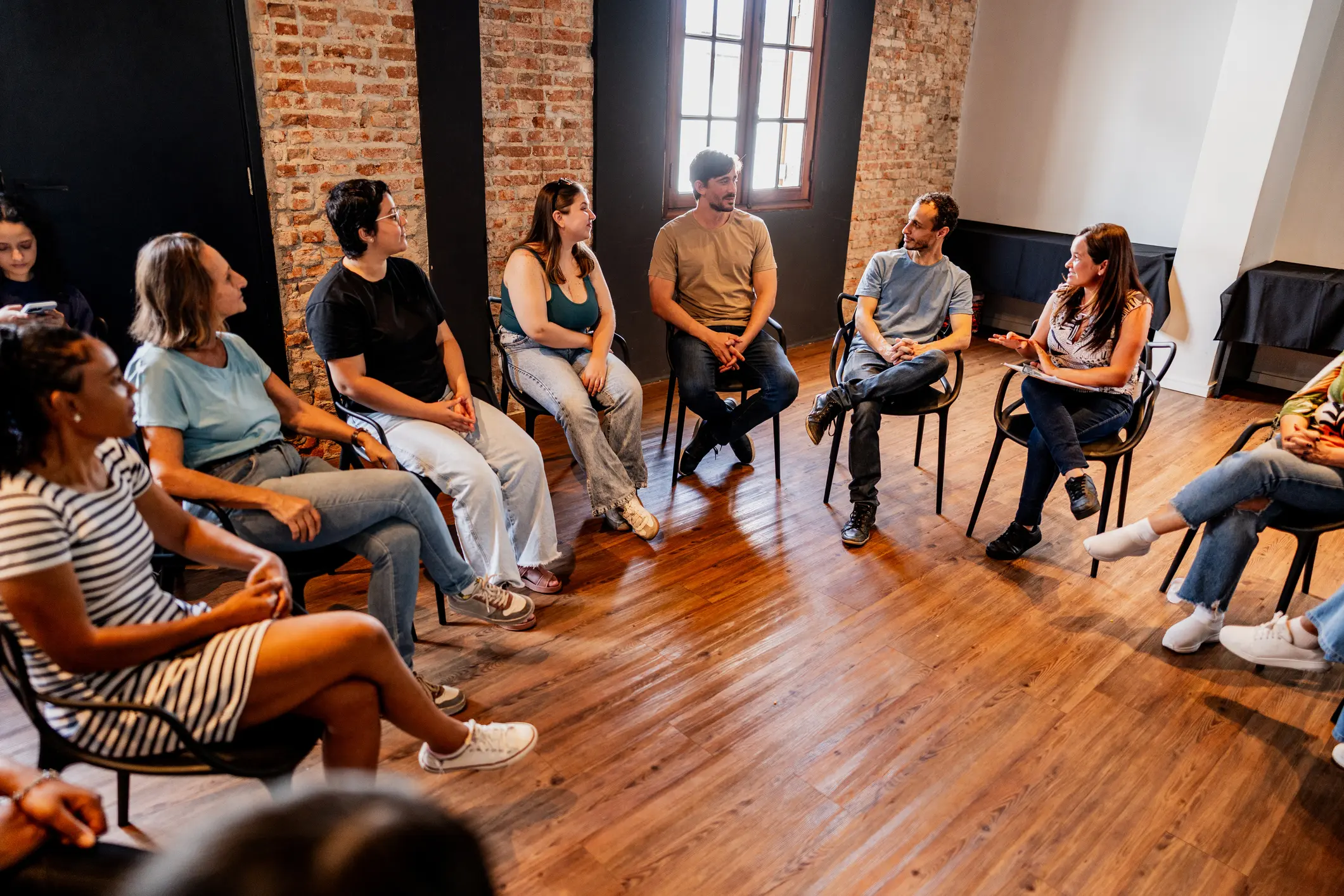
- Face-to-face therapeutic community support: Mental illness thrives in isolation. Being physically present in the same room as therapists and peers fosters a profound sense of connection and empathy that is difficult to replicate through a screen.
- Multi-disciplinary clinical team access: In a physical facility, you aren’t just seeing one therapist. You have immediate access to a collaborative team of professionals, including psychotherapists, social workers, case managers, and registered nurses.
- Psychiatric medication management services: Finding the right medication can be a delicate process. Having medical staff on-site allows for close observation of side effects, helping to ensure that any necessary adjustments to your prescriptions are made promptly.
- Dual diagnosis treatment for co-occurring disorders: It is incredibly common for individuals to struggle with both mental health conditions (like severe depression or anxiety) and substance use disorders. In-person PHPs provide the comprehensive, highly supervised environment necessary to treat both conditions simultaneously.
- Holistic healing in a physical clinical setting: Physical clinics often feature dedicated spaces for art therapy, yoga, mindfulness meditation, and somatic experiencing, allowing patients to heal their minds and bodies in tandem.
A Day in the Life: Inside a Partial Hospitalization Program
If you are wondering what to expect during a typical PHP day, you will quickly find that consistency and routine are at the heart of the healing process. Establishing a structured daily mental health treatment routine is crucial for individuals whose lives may have become chaotic due to their symptoms.
A standard day in a PHP usually runs from morning to early afternoon and includes:
- Morning Check-Ins: The day begins with patients setting daily intentions and assessing their current mood and safety.
- Psychoeducation Classes: Learning about the science of mental health, trauma responses and emotional regulation.
- Group Therapy: This is where peer-to-peer accountability in group therapy truly shines. Sharing struggles and triumphs with others who understand your journey builds resilience and breaks down feelings of shame.
- Individual Therapy: Dedicated one-on-one time to dive into deep personal trauma and specific triggers.
- Skill-Building Workshops: Focused sessions on learning distress tolerance and cognitive reframing techniques.
This robust schedule offers built-in crisis prevention through structured daytime support. By keeping individuals engaged in productive, healing activities during the day, PHPs significantly reduce the likelihood of self-harm, relapse or spiraling thoughts during the hours when they might otherwise feel most vulnerable.
Navigating Transitions and Real-World Practice
Recovery is not just about what happens inside a clinic; it is about how you handle life outside of it.
For those figuring out how to transition from residential treatment to PHP, this program acts as a vital step-down process. Abruptly moving from 24/7 inpatient monitoring to complete independence can trigger a culture shock that often leads to relapse. A PHP softens this transition, providing a sturdy safety net while gradually reintroducing independence.
Furthermore, because patients return to their own environments every afternoon or evening, they benefit from the real-world application of coping skills while living at home.
The Takeaway
Choosing to seek help is a courageous step. By opting for an in-person partial hospitalization program, you are choosing a treatment path that honors the complexity of your mental health. Through a blend of intensive medical oversight, compassionate peer support and the freedom to sleep in your own bed, a PHP provides the optimal environment to rebuild your life, learn sustainable coping skills, and step confidently into long-term recovery.
Located in Fremont, CA, Fremont Hospital provides supportive behavioral health programs to adolescents and adults struggling with a variety of mental health conditions. Our dedicated team of mental health professionals provides personalized treatment to each patient, paving the path toward renewed mental well-being and long-term recovery.
To schedule a consultation with us or for more information, please call 888-702-1101.