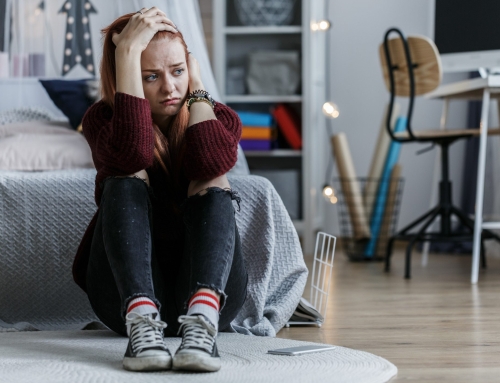
Understanding and Managing Adolescent Separation Anxiety

Separation anxiety in adolescents is a common yet often misunderstood condition. It involves intense fear or worry about being apart from loved ones or familiar environments. This anxiety can disrupt daily life, affecting school performance and social interactions. Understanding the symptoms and causes is crucial for effective management. With the right support and treatment, adolescents can learn to cope and thrive.
What Is Separation Anxiety?
Separation anxiety is an emotional condition characterized by overwhelming fear when away from familiar people or places. This feeling is intense and persists beyond normal developmental stages.
In adolescents, separation anxiety manifests through constant worries about losing loved ones or being away from home. It can lead to significant distress and avoidance of social settings.
Key aspects of separation anxiety include:
- Excessive fear about being alone
- Reluctance to attend school or social events
- Physical symptoms like headaches or nausea when separated
Understanding these key elements is essential for recognizing the signs and taking proactive steps toward treatment and management.
Recognizing Separation Anxiety Symptoms in Teens
Teens experiencing separation anxiety may exhibit diverse symptoms that affect their routine and interactions. Recognizing these symptoms early can pave the way for effective intervention.
Common symptoms include persistent worry about losing family members or being abandoned. These fears often lead to avoidance of social activities and refusal to attend school.
Teenagers may also express reluctance to sleep away from home, fearing separation. In some cases, this anxiety presents itself as extreme homesickness in social settings.
Physical signs often accompany emotional symptoms. These can include headaches, stomachaches or fatigue, occurring at the thought of separation.
Key symptoms to watch for:
- Intense fear of losing loved ones
- Avoidance of social and school activities
- Physical complaints during separation
Being vigilant about these indicators helps in identifying and addressing separation anxiety promptly.
Causes and Risk Factors of Separation Anxiety in Adolescents
Understanding the roots of separation anxiety in adolescents can aid in managing the condition effectively. Various factors contribute to its development.
Genetic predispositions play a substantial role, indicating a hereditary link. If a family member has anxiety disorders, the likelihood increases.
Environmental factors further influence anxiety. Significant life changes like moving or parental divorce can trigger heightened anxiety responses.
Additionally, traumatic experiences leave a lasting impact, fostering fear and uncertainty. Recognition of these aspects can guide intervention strategies.
Key risk factors include:
- Genetic predispositions to anxiety
- Major environmental changes
- Exposure to traumatic events
Identifying these factors helps ensure targeted support, promoting well-being and recovery in affected adolescents.
How Separation Anxiety Impacts Daily Life
Separation anxiety in adolescents significantly influences their daily routines. Tasks that once seemed simple become daunting and overwhelming.
Adolescents may find it difficult to attend school regularly. Fear of leaving a safe environment hinders their academic progress and social interactions.
Physical symptoms often manifest under stress, adding another layer of challenge. These include frequent headaches and persistent stomachaches.
Key impacts include:
- Avoidance of social activities or events
- Difficulty concentrating in academic settings
- Increased physical complaints when anxious
Addressing these issues early helps reclaim normalcy and improves an adolescent’s quality of life.
Diagnosis: When Is It a Disorder?
Normal separation anxiety differs from a diagnosable disorder by its intensity and interference with daily life. Professional evaluation is key to making this distinction.
If anxiety severely disrupts functioning and persists beyond typical developmental stages, it may be diagnosed as a disorder. A mental health professional considers symptom duration and impact before determining a diagnosis. Early assessment is crucial to provide appropriate intervention and prevent further complications in the adolescent’s emotional well-being and development.
Separation Anxiety Treatment Options
Addressing separation anxiety in adolescents requires a comprehensive approach. Treatment options focus on reducing symptoms and improving functioning.
Cognitive behavioral therapy (CBT) is a leading method for treating separation anxiety. It helps adolescents challenge negative thoughts and develop coping skills.
Family therapy can be invaluable. Involving family members helps address dynamics that may contribute to anxiety. It also fosters better communication and support.
In certain cases, medication may complement therapy. Antidepressants or anti-anxiety medications can be prescribed to manage severe symptoms. Mental health professionals evaluate the necessity of medication on a case-by-case basis.
Effective treatment often combines several approaches, including:
- Cognitive behavioral therapy (CBT)
- Family therapy
- Medication
- Exposure therapy
Ultimately, the goal is to empower adolescents, helping them develop resilience and regain control over their anxiety. This multifaceted approach also equips families with strategies to provide ongoing support.
Therapy for Separation Anxiety: What to Expect
Therapy for separation anxiety provides a structured environment for adolescents to explore their feelings. The process emphasizes understanding the root of anxiety and building coping mechanisms.
Therapists work with teens to identify triggers and develop strategies. These include relaxation techniques and positive self-talk, essential tools for managing anxiety.
Therapy sessions may involve:
- Identifying anxiety triggers
- Practicing relaxation techniques
- Engaging in role-playing exercises
Teens learn to gradually face anxiety-inducing situations in a safe setting. This gradual exposure, under guidance, reduces fear and builds confidence over time.
Practical Strategies for Families and Teens
Addressing separation anxiety at home requires collaboration between the teen and their family. Open communication about feelings is critical. It creates an environment for the adolescent to express their concerns.
Families can foster security and structure through these strategies:
- Establish consistent routines.
- Use clear, honest communication.
- Encourage gradual exposure to fears.
By practicing these strategies, families support their teen’s journey to overcome anxiety. The collective effort strengthens the adolescent’s ability to manage separation anxiety effectively.
Building Support and Encouraging Recovery
Creating a supportive network is vital for recovery. Family, friends and mental health professionals can all provide essential support. Their encouragement helps adolescents build resilience against anxiety.
Consider these support-building activities:
- Join support groups for shared experiences
- Connect with online forums for advice and community
- Schedule regular family meetings to assess progress
Engagement in these activities reinforces the adolescent’s confidence. A strong support system promotes a positive healing environment, fostering their journey toward managing separation anxiety effectively.
When and How to Seek Professional Help
If separation anxiety interferes with daily life, professional help is crucial. Seek a qualified mental health professional for guidance. Early intervention is key for effective management and recovery, helping to ensure your adolescent receives the support they need.
Located in Fremont, CA, Fremont Hospital provides supportive behavioral health programs to adolescents and adults struggling with a variety of mental health conditions. Our dedicated team of mental health professionals provides personalized treatment to each patient, paving the path toward renewed mental well-being and long-term recovery.
To schedule a consultation with us or for more information, please call 888-702-1101.